
In today’s music business, a catalog is no longer just a list of old songs. It is an asset.
That is why so many artists — from legacy stars to modern streaming-era acts — have sold all or part of their music rights in recent years. Sometimes they sell to major music companies. Sometimes to publishers. Sometimes to specialist rights investors. And sometimes the deal is not even a clean sale, but a broader partnership designed to unlock more value from decades of recordings and compositions.
The money can be enormous. Fast Company highlighted a market where artists like Bruce Springsteen, Bob Dylan, Shakira, Justin Bieber and others have all participated in blockbuster catalog deals, while Variety reported The Weeknd’s 2025 partnership with Lyric Capital was in the $1 billion range. That number alone tells you how far the catalog market has evolved.
1. Why artists sell catalogs
The short answer is simple: because a catalog can be worth a lot of money today.
For some artists, a sale is a way to turn future royalties into immediate liquidity. That can support estate planning, wealth diversification, tax planning, or new business moves. A Merrill wealth-management explainer aimed at music creators frames catalog sales around exactly those questions: tax implications, financial planning, and the trade-off between present certainty and future income.
For others, the decision is more strategic than financial. Warner’s announcement around David Guetta shows one version of that model: Guetta sold his recorded-music catalog from the last two decades to Warner, but also expanded his relationship with the company through a new deal for future recordings. Warner explicitly framed the arrangement as a “holistic global approach” to both working the catalog and building what comes next.
And then there are situations where the motivation may be more urgent. People and TMZ both reported claims tied to a 2025 documentary alleging that Justin Bieber sold his catalog because of major financial strain. Those reports should be read carefully as media claims, not as a detailed public financial disclosure from Bieber himself, but they still show something important: catalog sales are not always just elegant strategy. Sometimes they may be driven by pressure.
2. Who is buying
One of the biggest shifts in the market is that the buyers are no longer only labels.
Some deals are clearly label- or major-music-company-led. David Guetta’s Warner arrangement is a strong example of a traditional music company using its infrastructure to combine catalog ownership with future artist development.
Other deals involve investment vehicles and specialist rights firms. Justin Bieber’s catalog sale went to Hipgnosis Songs Capital, a rights company backed by financial capital rather than a classic artist-label relationship. The Weeknd’s Lyric deal was later described by Partners Group as a vehicle co-owned by The Weeknd and Lyric Capital, capitalized through royalty-backed financing.
Then there are IP-led entertainment companies. Fast Company highlighted Kiss selling not just music rights but also brand name and IP to Pophouse in a deal estimated above $300 million. That matters because it shows how catalog deals increasingly extend beyond songs into broader entertainment exploitation.
So when artists “sell their catalog,” the better question is: to whom, and for what kind of future use?
3. What exactly gets sold
Not every catalog deal means the same thing.
Some deals focus on publishing rights, meaning the underlying songwriting and composition rights. Others focus on master rights, meaning the rights in the recordings themselves. Some include neighboring rights, and some extend further into name, image, likeness, or brand IP.
Justin Bieber’s deal is a good example of a broad rights transaction. AP reported that the sale included publishing copyrights, songwriting ownership, and artist royalties from master recordings tied to nearly 300 titles through 2021.
David Guetta’s Warner deal was different again: Warner acquired his recorded-music catalog, but the agreement also included future recordings, making it more of an ongoing commercial alliance than a pure liquidation event.
The Weeknd’s Lyric structure appears even more hybrid. Reporting and partner statements suggest a vehicle built around his back catalog, with co-ownership and continued creative freedom in how publishing and masters can be used.
For creators, this distinction matters a lot. Selling one slice of rights is very different from giving up everything.
4. Case studies that explain the market
David Guetta: partnership, not just sale

Warner described Guetta’s deal as career-spanning. The company bought rights to his recorded-music catalog from the prior two decades and also entered into a new deal for future releases. This is the clearest example in your source set of a catalog transaction working as a strategic extension of an artist-label relationship.
The Weeknd: capital partnership at huge scale
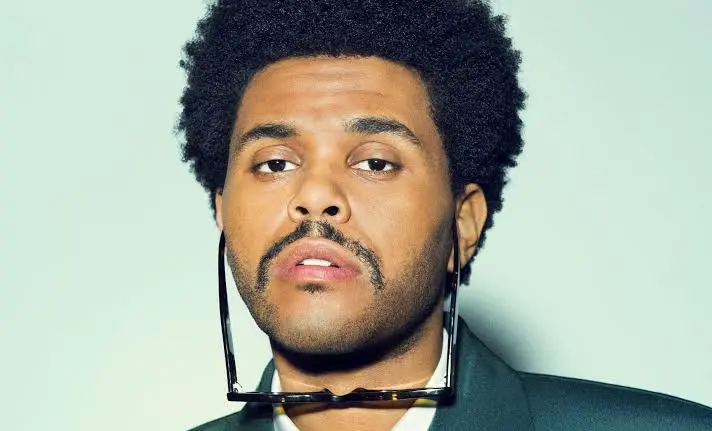
Variety reported that The Weeknd’s deal with Lyric Capital was in the $1 billion range, and later financing documents described a vehicle co-owned by Lyric and The Weeknd. That suggests a model where the artist does not simply disappear from the value chain, but restructures ownership and monetization through more sophisticated capital design.
Justin Bieber: huge sale, but also cautionary tale

Bieber’s sale to Hipgnosis was widely reported at about $200 million. AP and other outlets described the rights package as broad and historically significant, especially given Bieber’s age. But later People and TMZ reports tied the decision to alleged financial distress after the canceled Justice tour. Even if those claims remain media-reported rather than formally documented by Bieber’s team, they make the Bieber case different from a purely strategic rights optimization story.
Taylor Swift: the anti-sale case
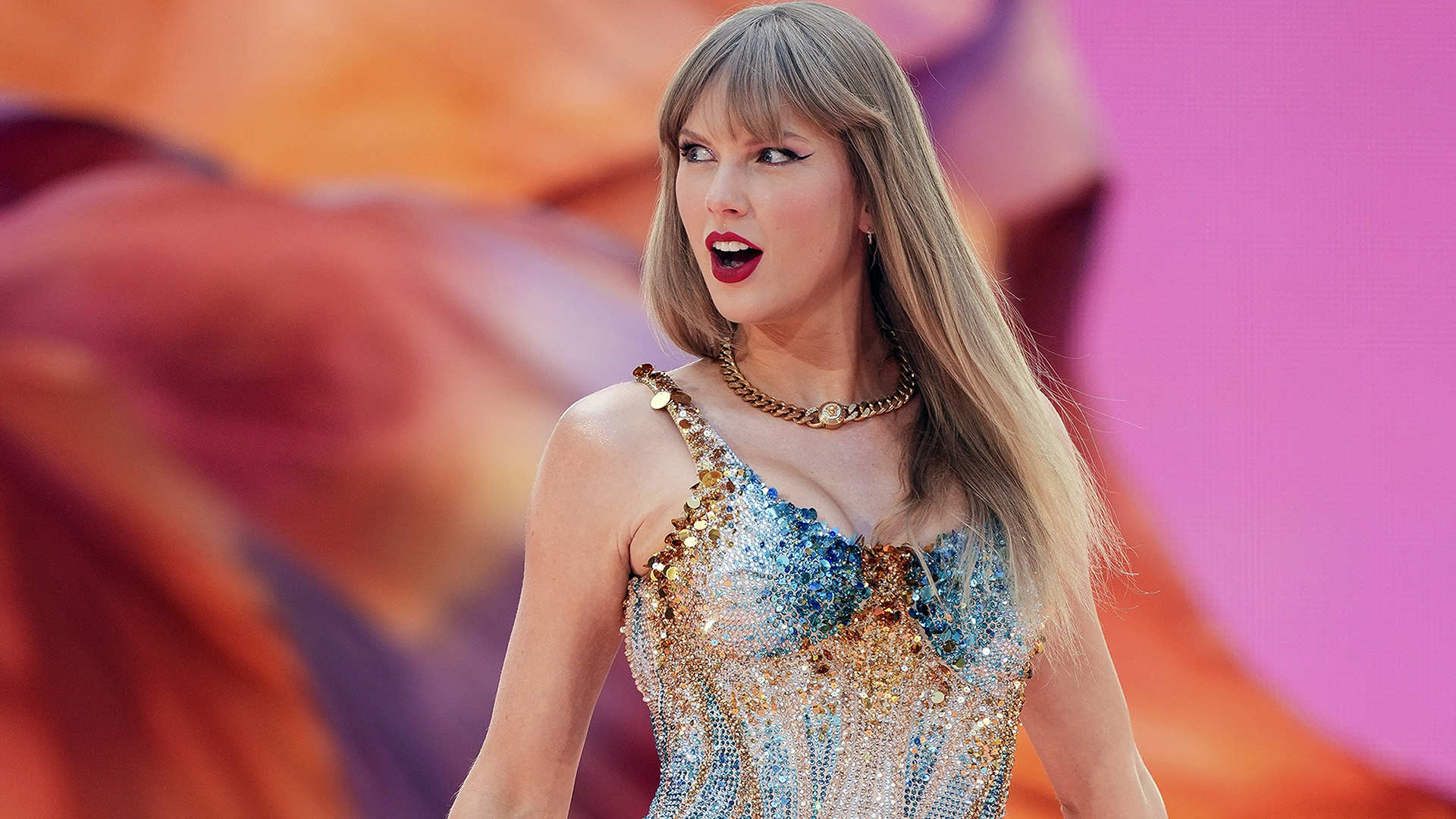
Taylor Swift’s story matters here because it shows the opposite instinct: not to cash out, but to reclaim control. Fast Company summarized the Big Machine/Shamrock sequence and Swift’s re-record strategy, while later reporting shows she ultimately bought the masters back in 2025. That made artist ownership itself part of mainstream music-business conversation.
Legacy artists: catalogs as premium assets
Fast Company’s survey of major deals involving Bruce Springsteen, Bob Dylan, Neil Young, Shakira, Stevie Nicks and others reinforces a simple point: established catalogs are now viewed as premium assets with long-tail earning power. Some were sold to publishers, some to investors, some partially and some fully — but the pattern is clear.
5. Why catalog values became so high
Two forces explain most of the surge.
The first is streaming durability. Fast Company notes that two-thirds of all music streamed is catalog music, not new releases. That means older songs keep generating plays, which makes them easier to value and easier to finance.
The second is asset-class logic. Reuters reported on Warner Music and Bain Capital launching a joint venture of up to $1.2 billion to buy music catalogs, showing how deeply private capital now views music rights as investable assets. Reuters also reported that global recorded-music revenues reached $31.7 billion in 2025, with streaming revenues above $22 billion and accounting for around 70% of global recorded-music income. That combination — durable catalog demand plus global streaming scale — helps explain the valuation boom.

6. What artists gain — and what they give up
The upside is obvious: a catalog sale can create immediate wealth, reduce uncertainty, fund new projects, and bring in partners who can actively exploit music across sync, global distribution, licensing and brand partnerships. Warner’s own framing of the Guetta deal leaned hard into that operational advantage.
But the downside is just as real. A rights sale may reduce future upside if the music keeps growing in value. It can also limit control over how songs are used later. A legal and wealth-planning article aimed at creators puts it plainly: if a catalog’s value spikes later through a viral trend or a major placement, the upside may go to the buyer, not the artist.
That is why catalog sales should not be framed as automatically smart or automatically bad. They are trade-offs.
Final takeaway
Catalog sales are no longer a side story in music. They are one of the clearest signs that songs, masters and music brands are now treated like major financial assets.
But the market is not one-dimensional. David Guetta shows the partnership model. The Weeknd shows the financing model. Justin Bieber shows the pressure case. Taylor Swift shows the ownership-first alternative. Legacy artists show the long-tail premium model.
For creators, the lesson is simple: know what you own, know what you are selling, and know whether you are trading away future leverage for present certainty.