
Description
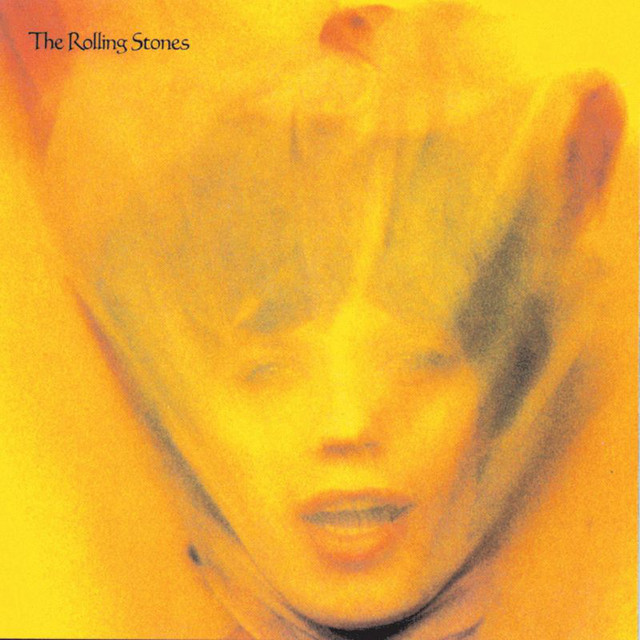
“Angie” by The Rolling Stones is a tender soft-rock ballad from the band’s 1973 album Goats Head Soup. Released on 20 August 1973 as the album’s lead single, it came out through the band’s own Rolling Stones Records label, with “Silver Train” as the B-side. The song is credited to Mick Jagger and Keith Richards and was produced by Jimmy Miller. (Wikipedia)
Musically, “Angie” stands apart from the Rolling Stones’ more bluesy and riff-driven classics. It is built around acoustic guitars, piano, bass, drums, strings, and Mick Jagger’s emotional lead vocal. The recording features Keith Richards and Mick Taylor on acoustic guitar, Bill Wyman on bass, Charlie Watts on drums, and Nicky Hopkins on the distinctive piano part. The string arrangement was created by Nicky Harrison, giving the song its melancholic and cinematic atmosphere. (Wikipedia)
The lyrics describe the end of a romance, with Jagger singing directly to “Angie” in a tone that feels vulnerable, reflective, and resigned. Its simple acoustic structure and repeated chorus helped turn it into one of the Rolling Stones’ most accessible ballads. A notable studio detail is the faint “ghost vocal” audible beneath Jagger’s final vocal take, created by an earlier guide vocal remaining in the mix. (Wikipedia)
“Angie” became a major international hit. It reached No. 1 on the US Billboard Hot 100 in October 1973, peaked at No. 5 in the UK, and topped charts in countries including Canada, Australia, France, Italy, the Netherlands, Norway, and Switzerland. (Wikipedia)
One of the biggest curiosities about the song is the identity of “Angie.” Over the years, people speculated that it was about Angela Bowie, actress Angie Dickinson, or Keith Richards’ newborn daughter, Angela. Richards later clarified that the song was not about one specific person: he chose the name while writing, before knowing his child would be a girl or named Angela. (Wikipedia)
Lyrics
Angie, Angie
When will those clouds all disappear?
Angie, Angie
Where will it lead us from here?
With no loving in our souls
And no money in our coats
You can't say we're satisfied
But Angie, Angie
You can't say we never tried
Angie, you're beautiful
But ain't it time we said goodbye?
Angie, I still love you
Remember all those nights we cried?
All the dreams we held so close
Seemed to all go up in smoke
Let me whisper in your ear
Angie, Angie
Where will it lead us from here?
Oh, Angie, don't you weep
All your kisses still taste sweet
I hate that sadness in your eyes
Angie, Angie
Ain't it time we said goodbye? Yeah
Ain't it time we said goodbye?
With no loving in our souls
And no money in our coats
You can't say we're satisfied
But Angie, I still love you, baby
Everywhere I look, I see your eyes
There ain't a woman that comes close to you
Come on, baby, dry your eyes
But Angie, Angie
Ain't it good to be alive?
Angie, Angie
They can't say we never tried
Youtube video
Songs links
Specification
“Angie” by The Rolling Stones is a tender soft-rock ballad from the band’s 1973 album Goats Head Soup. Released on 20 August 1973 as the album’s lead single, it came out through the band’s own Rolling Stones Records label, with “Silver Train” as the B-side. The song is credited to Mick Jagger and Keith Richards and was produced by Jimmy Miller. (Wikipedia)
Musically, “Angie” stands apart from the Rolling Stones’ more bluesy and riff-driven classics. It is built around acoustic guitars, piano, bass, drums, strings, and Mick Jagger’s emotional lead vocal. The recording features Keith Richards and Mick Taylor on acoustic guitar, Bill Wyman on bass, Charlie Watts on drums, and Nicky Hopkins on the distinctive piano part. The string arrangement was created by Nicky Harrison, giving the song its melancholic and cinematic atmosphere. (Wikipedia)
The lyrics describe the end of a romance, with Jagger singing directly to “Angie” in a tone that feels vulnerable, reflective, and resigned. Its simple acoustic structure and repeated chorus helped turn it into one of the Rolling Stones’ most accessible ballads. A notable studio detail is the faint “ghost vocal” audible beneath Jagger’s final vocal take, created by an earlier guide vocal remaining in the mix. (Wikipedia)
“Angie” became a major international hit. It reached No. 1 on the US Billboard Hot 100 in October 1973, peaked at No. 5 in the UK, and topped charts in countries including Canada, Australia, France, Italy, the Netherlands, Norway, and Switzerland. (Wikipedia)
One of the biggest curiosities about the song is the identity of “Angie.” Over the years, people speculated that it was about Angela Bowie, actress Angie Dickinson, or Keith Richards’ newborn daughter, Angela. Richards later clarified that the song was not about one specific person: he chose the name while writing, before knowing his child would be a girl or named Angela. (Wikipedia)
Specification
“Angie” by The Rolling Stones is a tender soft-rock ballad from the band’s 1973 album Goats Head Soup. Released on 20 August 1973 as the album’s lead single, it came out through the band’s own Rolling Stones Records label, with “Silver Train” as the B-side. The song is credited to Mick Jagger and Keith Richards and was produced by Jimmy Miller. (Wikipedia)
Musically, “Angie” stands apart from the Rolling Stones’ more bluesy and riff-driven classics. It is built around acoustic guitars, piano, bass, drums, strings, and Mick Jagger’s emotional lead vocal. The recording features Keith Richards and Mick Taylor on acoustic guitar, Bill Wyman on bass, Charlie Watts on drums, and Nicky Hopkins on the distinctive piano part. The string arrangement was created by Nicky Harrison, giving the song its melancholic and cinematic atmosphere. (Wikipedia)
The lyrics describe the end of a romance, with Jagger singing directly to “Angie” in a tone that feels vulnerable, reflective, and resigned. Its simple acoustic structure and repeated chorus helped turn it into one of the Rolling Stones’ most accessible ballads. A notable studio detail is the faint “ghost vocal” audible beneath Jagger’s final vocal take, created by an earlier guide vocal remaining in the mix. (Wikipedia)
“Angie” became a major international hit. It reached No. 1 on the US Billboard Hot 100 in October 1973, peaked at No. 5 in the UK, and topped charts in countries including Canada, Australia, France, Italy, the Netherlands, Norway, and Switzerland. (Wikipedia)
One of the biggest curiosities about the song is the identity of “Angie.” Over the years, people speculated that it was about Angela Bowie, actress Angie Dickinson, or Keith Richards’ newborn daughter, Angela. Richards later clarified that the song was not about one specific person: he chose the name while writing, before knowing his child would be a girl or named Angela. (Wikipedia)
Specification
“Angie” by The Rolling Stones is a tender soft-rock ballad from the band’s 1973 album Goats Head Soup. Released on 20 August 1973 as the album’s lead single, it came out through the band’s own Rolling Stones Records label, with “Silver Train” as the B-side. The song is credited to Mick Jagger and Keith Richards and was produced by Jimmy Miller. (Wikipedia)
Musically, “Angie” stands apart from the Rolling Stones’ more bluesy and riff-driven classics. It is built around acoustic guitars, piano, bass, drums, strings, and Mick Jagger’s emotional lead vocal. The recording features Keith Richards and Mick Taylor on acoustic guitar, Bill Wyman on bass, Charlie Watts on drums, and Nicky Hopkins on the distinctive piano part. The string arrangement was created by Nicky Harrison, giving the song its melancholic and cinematic atmosphere. (Wikipedia)
The lyrics describe the end of a romance, with Jagger singing directly to “Angie” in a tone that feels vulnerable, reflective, and resigned. Its simple acoustic structure and repeated chorus helped turn it into one of the Rolling Stones’ most accessible ballads. A notable studio detail is the faint “ghost vocal” audible beneath Jagger’s final vocal take, created by an earlier guide vocal remaining in the mix. (Wikipedia)
“Angie” became a major international hit. It reached No. 1 on the US Billboard Hot 100 in October 1973, peaked at No. 5 in the UK, and topped charts in countries including Canada, Australia, France, Italy, the Netherlands, Norway, and Switzerland. (Wikipedia)
One of the biggest curiosities about the song is the identity of “Angie.” Over the years, people speculated that it was about Angela Bowie, actress Angie Dickinson, or Keith Richards’ newborn daughter, Angela. Richards later clarified that the song was not about one specific person: he chose the name while writing, before knowing his child would be a girl or named Angela. (Wikipedia)