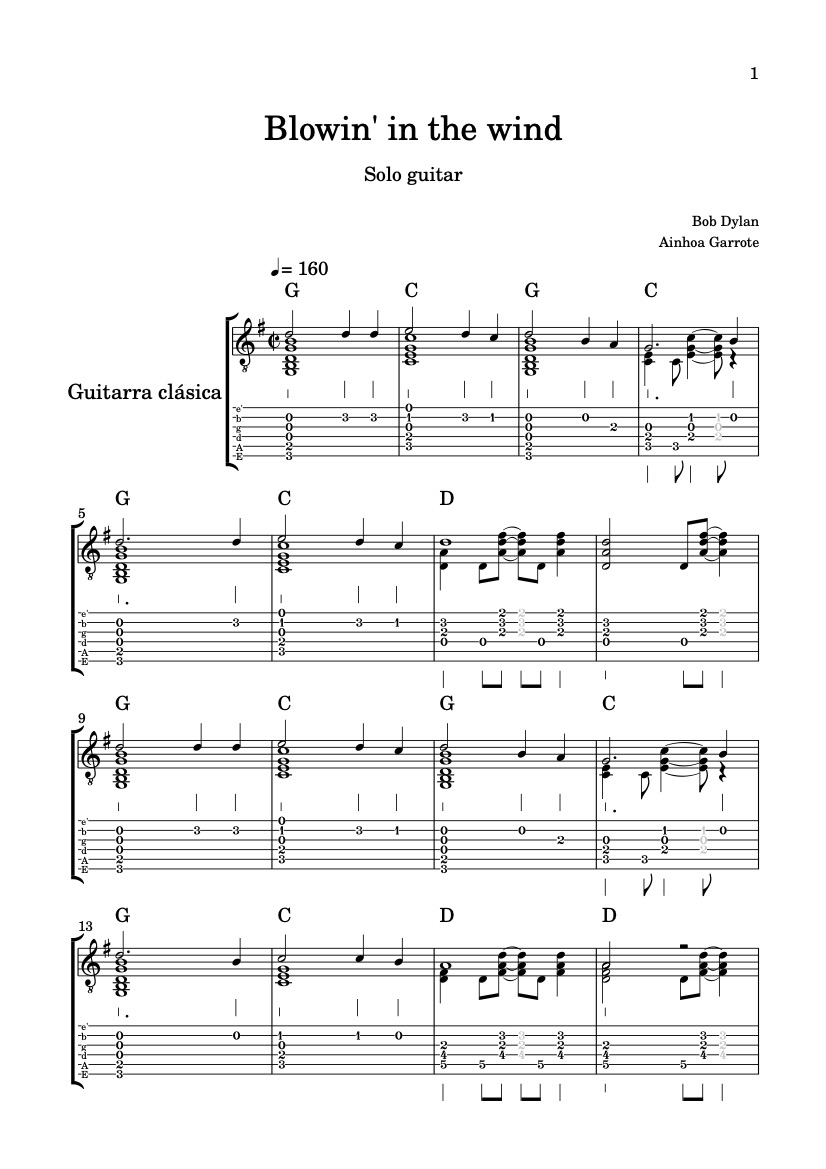

Description
“Blowin’ in the Wind” by Bob Dylan is a folk protest song from his second studio album, The Freewheelin’ Bob Dylan. Dylan wrote the song in 1962, recorded it on July 9, 1962 at Columbia Recording Studios in New York City, and released it as a single on August 13, 1963 through Columbia Records, with “Don’t Think Twice, It’s All Right” as the B-side. The recording was produced by John H. Hammond and runs for 2 minutes and 48 seconds.
Musically, the song is rooted in the stripped-down sound of the early-1960s folk revival. The arrangement is centered on Dylan’s lead vocal, acoustic guitar, and harmonica, giving the recording a direct and intimate quality rather than the fuller band arrangements he would adopt later in the decade. Its simple harmonic structure allows the melody and rhetorical lyrics to remain at the center of the performance.
The song is structured around a series of questions about war, peace, freedom, injustice, suffering, and human responsibility. Instead of providing direct answers, each verse returns to the idea that the answer is “blowin’ in the wind,” a phrase Dylan deliberately left open to interpretation. The result is a song that can be applied to many different social and political struggles rather than one specific event.
One of the most important curiosities about “Blowin’ in the Wind” is how quickly Dylan wrote and developed it. The earliest known version contained only two verses and was performed at Gerde’s Folk City in New York on April 16, 1962. Dylan added the middle verse shortly afterwards, completing the three-verse version that became famous.
The song’s melody also has much older roots. Dylan acknowledged that it was influenced by the African-American spiritual “No More Auction Block,” a song associated with formerly enslaved people who fled to Nova Scotia after Britain abolished slavery. Dylan had performed “No More Auction Block” himself and later said that “Blowin’ in the Wind” followed the same musical feeling.
Another notable influence was Woody Guthrie, one of Dylan’s most important early musical heroes. The song’s wind imagery has been connected to a passage in Guthrie’s autobiography Bound for Glory, in which he described political ideas as newspapers blowing through the streets of New York. Dylan’s immersion in Guthrie’s work had a major impact on his development as a songwriter.
“Blowin’ in the Wind” soon became closely associated with the American civil rights movement. Its questions about freedom, blindness to injustice, and the suffering caused by war made it adaptable to demonstrations and political gatherings. Singer Mavis Staples later recalled being amazed that such a young white songwriter could express ideas that resonated so strongly with the experiences and aspirations of Black Americans.
The song also had an important effect on Sam Cooke. After hearing it, Cooke began performing “Blowin’ in the Wind” himself and was reportedly struck by the fact that Dylan had written such a powerful song about social issues. The experience helped inspire Cooke to write his own civil rights anthem, “A Change Is Gonna Come.”
A major curiosity is that Dylan’s own recording was not initially the song’s biggest commercial success. Folk trio Peter, Paul and Mary released their version in June 1963, only weeks after The Freewheelin’ Bob Dylan appeared. Their recording reached No. 2 on the Billboard Hot 100, topped the easy-listening chart for five weeks, sold more than a million copies, and won Grammy Awards for Best Folk Recording and Best Performance by a Vocal Group.
The song was also at the center of an unusual plagiarism rumor. In 1963, claims circulated that a high-school student named Lorre Wyatt had written the song and that Dylan had bought or copied it before becoming famous. The story received national attention but was eventually demonstrated to be false.
Over time, “Blowin’ in the Wind” became one of Dylan’s defining compositions. It was inducted into the Grammy Hall of Fame in 1994 and has repeatedly appeared on lists of the most influential songs in popular music. Its combination of acoustic simplicity, memorable melody, unanswered questions, and universal themes helped transform the possibilities of folk songwriting and establish Dylan as one of the central songwriters of his generation.
Lyrics
How many roads must a man walk down
Before you call him a man?
How many seas must the white dove sail
Before she sleeps in the sand?
Yes, and how many times must the cannonballs fly
Before they're forever banned?
The answer, my friend
Is blowin' in the wind
The answer is blowin' in the wind
Yes, and how many years can a mountain exist
Before it is washed to the sea?
Yes, and how many years can some people exist
Before they're allowed to be free?
Yes, and how many times can a man turn his head
And pretend that he just doesn't see?
The answer, my friend
Is blowin' in the wind
The answer is blowin' in the wind
Yes, and how many times must a man look up
Before he can see the sky?
Yes, and how many ears must one man have
Before he can hear people cry?
Yes, and how many deaths will it take till he knows
That too many people have died?
The answer, my friend
Is blowin' in the wind
The answer is blowin' in the wind
Youtube Video
Social Links
Song
Description
“Blowin’ in the Wind” by Bob Dylan is a folk protest song from his second studio album, The Freewheelin’ Bob Dylan. Dylan wrote the song in 1962, recorded it on July 9, 1962 at Columbia Recording Studios in New York City, and released it as a single on August 13, 1963 through Columbia Records, with “Don’t Think Twice, It’s All Right” as the B-side. The recording was produced by John H. Hammond and runs for 2 minutes and 48 seconds.
Musically, the song is rooted in the stripped-down sound of the early-1960s folk revival. The arrangement is centered on Dylan’s lead vocal, acoustic guitar, and harmonica, giving the recording a direct and intimate quality rather than the fuller band arrangements he would adopt later in the decade. Its simple harmonic structure allows the melody and rhetorical lyrics to remain at the center of the performance.
The song is structured around a series of questions about war, peace, freedom, injustice, suffering, and human responsibility. Instead of providing direct answers, each verse returns to the idea that the answer is “blowin’ in the wind,” a phrase Dylan deliberately left open to interpretation. The result is a song that can be applied to many different social and political struggles rather than one specific event.
One of the most important curiosities about “Blowin’ in the Wind” is how quickly Dylan wrote and developed it. The earliest known version contained only two verses and was performed at Gerde’s Folk City in New York on April 16, 1962. Dylan added the middle verse shortly afterwards, completing the three-verse version that became famous.
The song’s melody also has much older roots. Dylan acknowledged that it was influenced by the African-American spiritual “No More Auction Block,” a song associated with formerly enslaved people who fled to Nova Scotia after Britain abolished slavery. Dylan had performed “No More Auction Block” himself and later said that “Blowin’ in the Wind” followed the same musical feeling.
Another notable influence was Woody Guthrie, one of Dylan’s most important early musical heroes. The song’s wind imagery has been connected to a passage in Guthrie’s autobiography Bound for Glory, in which he described political ideas as newspapers blowing through the streets of New York. Dylan’s immersion in Guthrie’s work had a major impact on his development as a songwriter.
“Blowin’ in the Wind” soon became closely associated with the American civil rights movement. Its questions about freedom, blindness to injustice, and the suffering caused by war made it adaptable to demonstrations and political gatherings. Singer Mavis Staples later recalled being amazed that such a young white songwriter could express ideas that resonated so strongly with the experiences and aspirations of Black Americans.
The song also had an important effect on Sam Cooke. After hearing it, Cooke began performing “Blowin’ in the Wind” himself and was reportedly struck by the fact that Dylan had written such a powerful song about social issues. The experience helped inspire Cooke to write his own civil rights anthem, “A Change Is Gonna Come.”
A major curiosity is that Dylan’s own recording was not initially the song’s biggest commercial success. Folk trio Peter, Paul and Mary released their version in June 1963, only weeks after The Freewheelin’ Bob Dylan appeared. Their recording reached No. 2 on the Billboard Hot 100, topped the easy-listening chart for five weeks, sold more than a million copies, and won Grammy Awards for Best Folk Recording and Best Performance by a Vocal Group.
The song was also at the center of an unusual plagiarism rumor. In 1963, claims circulated that a high-school student named Lorre Wyatt had written the song and that Dylan had bought or copied it before becoming famous. The story received national attention but was eventually demonstrated to be false.
Over time, “Blowin’ in the Wind” became one of Dylan’s defining compositions. It was inducted into the Grammy Hall of Fame in 1994 and has repeatedly appeared on lists of the most influential songs in popular music. Its combination of acoustic simplicity, memorable melody, unanswered questions, and universal themes helped transform the possibilities of folk songwriting and establish Dylan as one of the central songwriters of his generation.
Lyrics
How many roads must a man walk down
Before you call him a man?
How many seas must the white dove sail
Before she sleeps in the sand?
Yes, and how many times must the cannonballs fly
Before they're forever banned?
The answer, my friend
Is blowin' in the wind
The answer is blowin' in the wind
Yes, and how many years can a mountain exist
Before it is washed to the sea?
Yes, and how many years can some people exist
Before they're allowed to be free?
Yes, and how many times can a man turn his head
And pretend that he just doesn't see?
The answer, my friend
Is blowin' in the wind
The answer is blowin' in the wind
Yes, and how many times must a man look up
Before he can see the sky?
Yes, and how many ears must one man have
Before he can hear people cry?
Yes, and how many deaths will it take till he knows
That too many people have died?
The answer, my friend
Is blowin' in the wind
The answer is blowin' in the wind