
Description
“Tutti Frutti” by Little Richard is a foundational rock and roll song recorded on September 14, 1955 at J&M Studio in New Orleans and released the following month through Specialty Records. It was written by Little Richard and Dorothy LaBostrie, produced by Robert “Bumps” Blackwell, and issued with “I’m Just a Lonely Guy” as the B-side. The recording became Little Richard’s first major hit and one of the records most closely associated with the emergence of rock and roll in the 1950s.
The track is built around a fast, hard-driving twelve-bar blues progression, but its rhythm pushes beyond traditional blues and boogie-woogie. Little Richard’s aggressive piano playing, powerful vocals, and emphatic beat helped establish a new rhythmic language that would become central to early rock music. His playing emphasizes repeated patterns in the piano’s upper register, while the band locks into a much straighter and more forceful groove than the shuffle rhythms common in earlier rhythm and blues.
The main instruments are piano, tenor saxophone, baritone saxophone, guitar, double bass, and drums. Little Richard performs the lead vocal and piano, joined by Lee Allen on tenor saxophone, Alvin “Red” Tyler on baritone saxophone, Frank Fields on double bass, Earl Palmer on drums, and Justin Adams on guitar. The combination of pounding piano, driving drums, saxophones, and shouted vocals gives the recording much of its explosive character.
One of the most recognizable elements is its opening vocal phrase, often represented as “A-wop-bop-a-loo-mop-a-lop-bam-boom.” Little Richard described it as a vocal imitation of a drum pattern he heard in his imagination. The phrase became one of the most famous openings in rock music and immediately establishes the song’s frantic energy before the full performance takes over.
The song emerged unexpectedly during a recording session that had not been going particularly well. Little Richard became frustrated because he felt the studio performances were failing to capture the wild energy of his live shows. During a break, he sat at a piano and began performing a much more provocative song that he had already been playing in clubs across the American South. Producer Robert Blackwell immediately recognized its potential.
The original version of the lyrics was considerably more explicit than the commercial recording. Blackwell believed the song could become a hit but knew the words would need to be rewritten for radio and record buyers. Local songwriter Dorothy LaBostrie was brought in to revise the lyrics, replacing the sexual material with the more playful wording that appeared on the released version.
There are conflicting stories about exactly how the song originated. Some accounts say Little Richard had been performing the risqué version for years, while LaBostrie later maintained that she came up with the title after seeing a tutti-frutti ice cream flavor in a drugstore. Musicians and industry figures who knew Little Richard during the period recalled hearing earlier versions with more explicit lyrics, making the song’s authorship history particularly complicated.
Another remarkable detail is how quickly the final recording was completed. Because there was little time to develop a completely new arrangement, Little Richard and the musicians recorded the rewritten version in only three takes, taking roughly 15 minutes in total. The piano part retained the aggressive style Little Richard had used during his spontaneous performance.
Commercially, “Tutti Frutti” became a major breakthrough. It reached No. 2 on Billboard’s rhythm and blues chart and also crossed into the pop market, helping establish Little Richard as one of the central figures of early rock and roll. Its combination of gospel intensity, blues harmony, boogie-derived piano, and an unusually forceful beat became a model for many of his later recordings.
The song also became part of a broader racial dynamic in the American music industry. Pat Boone recorded a more restrained cover that achieved significant pop-chart success, while Little Richard’s original was often marketed primarily to rhythm and blues audiences. Little Richard later spoke openly about the frustration of seeing white performers gain wider commercial access with versions of music created by Black artists.
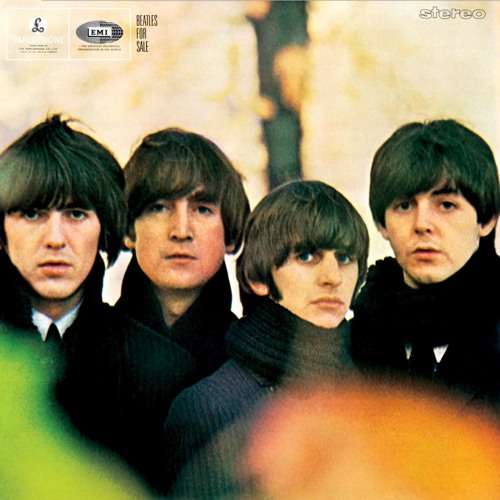
“Elvis Presley” also recorded “Tutti Frutti” in 1956, and the song became a standard for many early rock performers. The Beatles performed it live during their formative years, while later musicians continued to reinterpret it across rock, pop, and rhythm and blues.
The original recording was inducted into the Grammy Hall of Fame in 1998 and added to the US National Recording Registry in 2009. Its pounding piano, saxophone-driven arrangement, explosive vocal performance, and unmistakable rhythmic attack helped define a new sound at a moment when rock and roll was still taking shape.
Lyrics
Whop bop b-luma b-lop bam bom
Tutti frutti, oh Rudy
Tutti frutti, oh Rudy
Tutti frutti, oh Rudy
Tutti frutti, oh Rudy
Tutti frutti, oh Rudy
A whop bop b-luma b-lop bam bom
I got a girl named Sue
She knows just what to do
I got a girl named Sue
She knows just what to do
She rocks to the east
She rocks to the west
But she's the girl that I love best
Tutti frutti, oh Rudy
Tutti frutti, oh Rudy
Tutti frutti, oh Rudy
Tutti frutti, oh Rudy
Tutti frutti, oh Rudy
A whop bop-b-luma b-lop bam bom
I got a girl named Daisy
She almost drives me crazy
I got a girl named Daisy
She almost drives me crazy
She knows how to love me, yes, indeed!
Boy, you don't know what you do to me
Tutti frutti, oh Rudy
Tutti frutti, oh Rudy
Tutti frutti, oh Rudy
Tutti frutti, oh Rudy
Tutti frutti, oh Rudy
Whop bop-b-luma
Tutti frutti, oh Rudy
Tutti frutti, oh Rudy
Tutti frutti, oh Rudy
Tutti frutti, oh Rudy
Tutti frutti, oh Rudy
A whop bop-b-luma b-lop bam bom
Got a girl named Daisy
She almost drives me crazy
Got a girl named Daisy
She almost drives me crazy
She knows how to love me, yes, indeed!
Boy, you don't know what you do to me
Tutti frutti, oh Rudy
Tutti frutti, oh Rudy
Tutti frutti, oh Rudy
Tutti frutti, oh Rudy
Tutti frutti, oh Rudy
A whop bop-b-luma b-lop bam bom
Specification
“Tutti Frutti” by Little Richard is a foundational rock and roll song recorded on September 14, 1955 at J&M Studio in New Orleans and released the following month through Specialty Records. It was written by Little Richard and Dorothy LaBostrie, produced by Robert “Bumps” Blackwell, and issued with “I’m Just a Lonely Guy” as the B-side. The recording became Little Richard’s first major hit and one of the records most closely associated with the emergence of rock and roll in the 1950s.
The track is built around a fast, hard-driving twelve-bar blues progression, but its rhythm pushes beyond traditional blues and boogie-woogie. Little Richard’s aggressive piano playing, powerful vocals, and emphatic beat helped establish a new rhythmic language that would become central to early rock music. His playing emphasizes repeated patterns in the piano’s upper register, while the band locks into a much straighter and more forceful groove than the shuffle rhythms common in earlier rhythm and blues.
The main instruments are piano, tenor saxophone, baritone saxophone, guitar, double bass, and drums. Little Richard performs the lead vocal and piano, joined by Lee Allen on tenor saxophone, Alvin “Red” Tyler on baritone saxophone, Frank Fields on double bass, Earl Palmer on drums, and Justin Adams on guitar. The combination of pounding piano, driving drums, saxophones, and shouted vocals gives the recording much of its explosive character.
One of the most recognizable elements is its opening vocal phrase, often represented as “A-wop-bop-a-loo-mop-a-lop-bam-boom.” Little Richard described it as a vocal imitation of a drum pattern he heard in his imagination. The phrase became one of the most famous openings in rock music and immediately establishes the song’s frantic energy before the full performance takes over.
The song emerged unexpectedly during a recording session that had not been going particularly well. Little Richard became frustrated because he felt the studio performances were failing to capture the wild energy of his live shows. During a break, he sat at a piano and began performing a much more provocative song that he had already been playing in clubs across the American South. Producer Robert Blackwell immediately recognized its potential.
The original version of the lyrics was considerably more explicit than the commercial recording. Blackwell believed the song could become a hit but knew the words would need to be rewritten for radio and record buyers. Local songwriter Dorothy LaBostrie was brought in to revise the lyrics, replacing the sexual material with the more playful wording that appeared on the released version.
There are conflicting stories about exactly how the song originated. Some accounts say Little Richard had been performing the risqué version for years, while LaBostrie later maintained that she came up with the title after seeing a tutti-frutti ice cream flavor in a drugstore. Musicians and industry figures who knew Little Richard during the period recalled hearing earlier versions with more explicit lyrics, making the song’s authorship history particularly complicated.
Another remarkable detail is how quickly the final recording was completed. Because there was little time to develop a completely new arrangement, Little Richard and the musicians recorded the rewritten version in only three takes, taking roughly 15 minutes in total. The piano part retained the aggressive style Little Richard had used during his spontaneous performance.
Commercially, “Tutti Frutti” became a major breakthrough. It reached No. 2 on Billboard’s rhythm and blues chart and also crossed into the pop market, helping establish Little Richard as one of the central figures of early rock and roll. Its combination of gospel intensity, blues harmony, boogie-derived piano, and an unusually forceful beat became a model for many of his later recordings.
The song also became part of a broader racial dynamic in the American music industry. Pat Boone recorded a more restrained cover that achieved significant pop-chart success, while Little Richard’s original was often marketed primarily to rhythm and blues audiences. Little Richard later spoke openly about the frustration of seeing white performers gain wider commercial access with versions of music created by Black artists.
“Elvis Presley” also recorded “Tutti Frutti” in 1956, and the song became a standard for many early rock performers. The Beatles performed it live during their formative years, while later musicians continued to reinterpret it across rock, pop, and rhythm and blues.
The original recording was inducted into the Grammy Hall of Fame in 1998 and added to the US National Recording Registry in 2009. Its pounding piano, saxophone-driven arrangement, explosive vocal performance, and unmistakable rhythmic attack helped define a new sound at a moment when rock and roll was still taking shape.