
Description
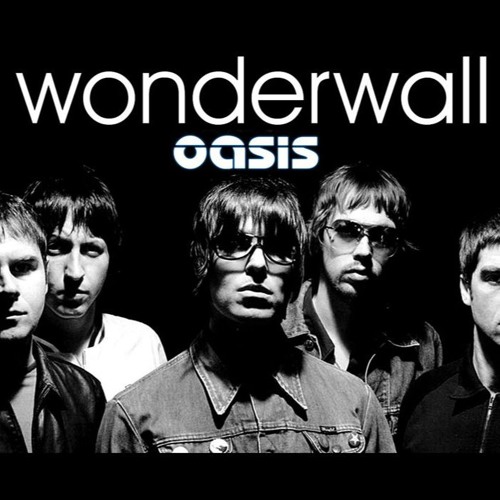
“Wonderwall” by Oasis is one of the most famous Britpop and alternative rock songs of the 1990s. Released on 30 October 1995, it was the fourth single from the band’s second studio album, (What’s the Story) Morning Glory?. The song was issued by Creation Records, written by Noel Gallagher, and produced by Owen Morris and Noel Gallagher.
Musically, “Wonderwall” blends alternative rock, Britpop, and pop rock with a warm, semi-acoustic sound. The track is built around strummed acoustic guitar, electric guitar textures, bass, drums, tambourine, Mellotron cello sounds, piano, and additional string textures. Its album version runs for 4 minutes and 19 seconds, while the radio edit runs for 3 minutes and 48 seconds.
The main recording personnel includes Liam Gallagher on vocals and tambourine, Noel Gallagher on acoustic and electric guitars, bass, and piano, Paul “Bonehead” Arthurs on Mellotron cello, and Alan White on drums. Producer Owen Morris also added Kurzweil strings, giving the song extra depth behind its acoustic-guitar foundation.
Lyrically, “Wonderwall” has often been interpreted as a love song, but Noel Gallagher later described it as being about an imaginary friend who comes to save you from yourself. The title was inspired by George Harrison’s solo album Wonderwall Music, connecting the song indirectly to the Beatles’ wider influence on Oasis.
One curiosity about the song is that it was originally called “Wishing Stone.” Gallagher initially said it was written for his then-girlfriend and later wife, Meg Mathews, but after their divorce he clarified that the song was not really about her. This shift in explanation helped make the meaning of “Wonderwall” more mysterious and open to interpretation.
Another interesting detail is that Oasis originally planned to record “Wonderwall” on a ten-foot wall outside Rockfield Studios. Microphones and ladders were arranged around the wall, but the idea was eventually abandoned and Liam Gallagher recorded the vocal inside the studio instead. The song was recorded at Rockfield Studios in Wales in May 1995.
The song’s arrangement also has some distinctive production details. Alan White used Pro-Mark Hot Rods instead of normal drumsticks, creating a softer drum sound, while the Mellotron cello preset added a mournful texture to the track. The song is written in F-sharp minor, and its guitar part is commonly played with a capo on the second fret, making it one of the most recognizable acoustic guitar songs for beginners and rock fans.
“Wonderwall” became a huge commercial success. It reached No. 2 in both the United Kingdom and Ireland, topped the charts in Australia and New Zealand, reached No. 8 on the US Billboard Hot 100, and became Oasis’ only top-10 hit on that chart. In October 2020, it became the first song from the 1990s to reach one billion streams on Spotify.
The music video, directed by Nigel Dick, was filmed in Woolwich, London, and won British Video of the Year at the 1996 Brit Awards. Another curiosity is that bassist Paul “Guigsy” McGuigan had temporarily left the band due to nervous exhaustion, so Scott McLeod appears in the video instead.
“Wonderwall” has also become a major part of internet culture. The phrase “Anyway, here’s Wonderwall” became a meme in the 2010s, joking about how common the song is among beginner guitar players. The article even notes that some guitar stores have banned people from playing it, alongside other overplayed classics such as “Stairway to Heaven” and “Smoke on the Water.”
Lyrics
Today is gonna be the day
That they're gonna throw it back to you
By now, you should've somehow
Realized what you gotta do
I don't believe that anybody
Feels the way I do about you now
Backbeat, the word is on the street
That the fire in your heart is out
I'm sure you've heard it all before
But you never really had a doubt
I don't believe that anybody
Feels the way I do about you now
And all the roads
We have to walk are winding
And all the lights
That lead us there are blinding
There are many things that I'd
Like to say to you
But I don't know how
Because maybe
You're gonna be the one that saves me
And after all
You're my wonderwall
Today was gonna be the day
But they'll never throw it back to you
By now, you should've somehow
Realized what you're not to do
I don't believe that anybody
Feels the way I do about you now
And all the roads
That lead you there were winding
And all the lights
That light the way are blinding
There are many things that I'd
Like to say to you
But I don't know how
I said maybe
You're gonna be the one that saves me
And after all
You're my wonderwall
I said maybe (I said maybe)
You're gonna be the one that saves me
And after all
You're my wonderwall
I said maybe (I said maybe)
You're gonna be the one that saves me
(That saves me)
You're gonna be the one that saves me
(That saves me)
You're gonna be the one that saves me
(That saves me)
Youtube video
Songs links
Specification
“Wonderwall” by Oasis is one of the most famous Britpop and alternative rock songs of the 1990s. Released on 30 October 1995, it was the fourth single from the band’s second studio album, (What’s the Story) Morning Glory?. The song was issued by Creation Records, written by Noel Gallagher, and produced by Owen Morris and Noel Gallagher.
Musically, “Wonderwall” blends alternative rock, Britpop, and pop rock with a warm, semi-acoustic sound. The track is built around strummed acoustic guitar, electric guitar textures, bass, drums, tambourine, Mellotron cello sounds, piano, and additional string textures. Its album version runs for 4 minutes and 19 seconds, while the radio edit runs for 3 minutes and 48 seconds.
The main recording personnel includes Liam Gallagher on vocals and tambourine, Noel Gallagher on acoustic and electric guitars, bass, and piano, Paul “Bonehead” Arthurs on Mellotron cello, and Alan White on drums. Producer Owen Morris also added Kurzweil strings, giving the song extra depth behind its acoustic-guitar foundation.
Lyrically, “Wonderwall” has often been interpreted as a love song, but Noel Gallagher later described it as being about an imaginary friend who comes to save you from yourself. The title was inspired by George Harrison’s solo album Wonderwall Music, connecting the song indirectly to the Beatles’ wider influence on Oasis.
One curiosity about the song is that it was originally called “Wishing Stone.” Gallagher initially said it was written for his then-girlfriend and later wife, Meg Mathews, but after their divorce he clarified that the song was not really about her. This shift in explanation helped make the meaning of “Wonderwall” more mysterious and open to interpretation.
Another interesting detail is that Oasis originally planned to record “Wonderwall” on a ten-foot wall outside Rockfield Studios. Microphones and ladders were arranged around the wall, but the idea was eventually abandoned and Liam Gallagher recorded the vocal inside the studio instead. The song was recorded at Rockfield Studios in Wales in May 1995.
The song’s arrangement also has some distinctive production details. Alan White used Pro-Mark Hot Rods instead of normal drumsticks, creating a softer drum sound, while the Mellotron cello preset added a mournful texture to the track. The song is written in F-sharp minor, and its guitar part is commonly played with a capo on the second fret, making it one of the most recognizable acoustic guitar songs for beginners and rock fans.
“Wonderwall” became a huge commercial success. It reached No. 2 in both the United Kingdom and Ireland, topped the charts in Australia and New Zealand, reached No. 8 on the US Billboard Hot 100, and became Oasis’ only top-10 hit on that chart. In October 2020, it became the first song from the 1990s to reach one billion streams on Spotify.
The music video, directed by Nigel Dick, was filmed in Woolwich, London, and won British Video of the Year at the 1996 Brit Awards. Another curiosity is that bassist Paul “Guigsy” McGuigan had temporarily left the band due to nervous exhaustion, so Scott McLeod appears in the video instead.
“Wonderwall” has also become a major part of internet culture. The phrase “Anyway, here’s Wonderwall” became a meme in the 2010s, joking about how common the song is among beginner guitar players. The article even notes that some guitar stores have banned people from playing it, alongside other overplayed classics such as “Stairway to Heaven” and “Smoke on the Water.”
Specification
“Wonderwall” by Oasis is one of the most famous Britpop and alternative rock songs of the 1990s. Released on 30 October 1995, it was the fourth single from the band’s second studio album, (What’s the Story) Morning Glory?. The song was issued by Creation Records, written by Noel Gallagher, and produced by Owen Morris and Noel Gallagher.
Musically, “Wonderwall” blends alternative rock, Britpop, and pop rock with a warm, semi-acoustic sound. The track is built around strummed acoustic guitar, electric guitar textures, bass, drums, tambourine, Mellotron cello sounds, piano, and additional string textures. Its album version runs for 4 minutes and 19 seconds, while the radio edit runs for 3 minutes and 48 seconds.
The main recording personnel includes Liam Gallagher on vocals and tambourine, Noel Gallagher on acoustic and electric guitars, bass, and piano, Paul “Bonehead” Arthurs on Mellotron cello, and Alan White on drums. Producer Owen Morris also added Kurzweil strings, giving the song extra depth behind its acoustic-guitar foundation.
Lyrically, “Wonderwall” has often been interpreted as a love song, but Noel Gallagher later described it as being about an imaginary friend who comes to save you from yourself. The title was inspired by George Harrison’s solo album Wonderwall Music, connecting the song indirectly to the Beatles’ wider influence on Oasis.
One curiosity about the song is that it was originally called “Wishing Stone.” Gallagher initially said it was written for his then-girlfriend and later wife, Meg Mathews, but after their divorce he clarified that the song was not really about her. This shift in explanation helped make the meaning of “Wonderwall” more mysterious and open to interpretation.
Another interesting detail is that Oasis originally planned to record “Wonderwall” on a ten-foot wall outside Rockfield Studios. Microphones and ladders were arranged around the wall, but the idea was eventually abandoned and Liam Gallagher recorded the vocal inside the studio instead. The song was recorded at Rockfield Studios in Wales in May 1995.
The song’s arrangement also has some distinctive production details. Alan White used Pro-Mark Hot Rods instead of normal drumsticks, creating a softer drum sound, while the Mellotron cello preset added a mournful texture to the track. The song is written in F-sharp minor, and its guitar part is commonly played with a capo on the second fret, making it one of the most recognizable acoustic guitar songs for beginners and rock fans.
“Wonderwall” became a huge commercial success. It reached No. 2 in both the United Kingdom and Ireland, topped the charts in Australia and New Zealand, reached No. 8 on the US Billboard Hot 100, and became Oasis’ only top-10 hit on that chart. In October 2020, it became the first song from the 1990s to reach one billion streams on Spotify.
The music video, directed by Nigel Dick, was filmed in Woolwich, London, and won British Video of the Year at the 1996 Brit Awards. Another curiosity is that bassist Paul “Guigsy” McGuigan had temporarily left the band due to nervous exhaustion, so Scott McLeod appears in the video instead.
“Wonderwall” has also become a major part of internet culture. The phrase “Anyway, here’s Wonderwall” became a meme in the 2010s, joking about how common the song is among beginner guitar players. The article even notes that some guitar stores have banned people from playing it, alongside other overplayed classics such as “Stairway to Heaven” and “Smoke on the Water.”
Specification
“Wonderwall” by Oasis is one of the most famous Britpop and alternative rock songs of the 1990s. Released on 30 October 1995, it was the fourth single from the band’s second studio album, (What’s the Story) Morning Glory?. The song was issued by Creation Records, written by Noel Gallagher, and produced by Owen Morris and Noel Gallagher.
Musically, “Wonderwall” blends alternative rock, Britpop, and pop rock with a warm, semi-acoustic sound. The track is built around strummed acoustic guitar, electric guitar textures, bass, drums, tambourine, Mellotron cello sounds, piano, and additional string textures. Its album version runs for 4 minutes and 19 seconds, while the radio edit runs for 3 minutes and 48 seconds.
The main recording personnel includes Liam Gallagher on vocals and tambourine, Noel Gallagher on acoustic and electric guitars, bass, and piano, Paul “Bonehead” Arthurs on Mellotron cello, and Alan White on drums. Producer Owen Morris also added Kurzweil strings, giving the song extra depth behind its acoustic-guitar foundation.
Lyrically, “Wonderwall” has often been interpreted as a love song, but Noel Gallagher later described it as being about an imaginary friend who comes to save you from yourself. The title was inspired by George Harrison’s solo album Wonderwall Music, connecting the song indirectly to the Beatles’ wider influence on Oasis.
One curiosity about the song is that it was originally called “Wishing Stone.” Gallagher initially said it was written for his then-girlfriend and later wife, Meg Mathews, but after their divorce he clarified that the song was not really about her. This shift in explanation helped make the meaning of “Wonderwall” more mysterious and open to interpretation.
Another interesting detail is that Oasis originally planned to record “Wonderwall” on a ten-foot wall outside Rockfield Studios. Microphones and ladders were arranged around the wall, but the idea was eventually abandoned and Liam Gallagher recorded the vocal inside the studio instead. The song was recorded at Rockfield Studios in Wales in May 1995.
The song’s arrangement also has some distinctive production details. Alan White used Pro-Mark Hot Rods instead of normal drumsticks, creating a softer drum sound, while the Mellotron cello preset added a mournful texture to the track. The song is written in F-sharp minor, and its guitar part is commonly played with a capo on the second fret, making it one of the most recognizable acoustic guitar songs for beginners and rock fans.
“Wonderwall” became a huge commercial success. It reached No. 2 in both the United Kingdom and Ireland, topped the charts in Australia and New Zealand, reached No. 8 on the US Billboard Hot 100, and became Oasis’ only top-10 hit on that chart. In October 2020, it became the first song from the 1990s to reach one billion streams on Spotify.
The music video, directed by Nigel Dick, was filmed in Woolwich, London, and won British Video of the Year at the 1996 Brit Awards. Another curiosity is that bassist Paul “Guigsy” McGuigan had temporarily left the band due to nervous exhaustion, so Scott McLeod appears in the video instead.
“Wonderwall” has also become a major part of internet culture. The phrase “Anyway, here’s Wonderwall” became a meme in the 2010s, joking about how common the song is among beginner guitar players. The article even notes that some guitar stores have banned people from playing it, alongside other overplayed classics such as “Stairway to Heaven” and “Smoke on the Water.”